
Digital Transfers Streamlining Live Multiplayer Sessions on Mobile Platforms
Electronic funds transfers have integrated into mobile gaming environments where players engage with live dealers across shared tables on handheld screens, and this setup allows participants to adjust positions without delays from traditional banking methods. Data from payment processing networks shows transfer times averaging under three seconds in optimized applications during peak hours in August 2026, enabling continuous play in formats like multi-seat blackjack and roulette variants that require real-time decisions among several users simultaneously.
Core Mechanics of Transfers in Live Settings
Systems built around instant bank connections link directly to operator platforms, so users can move funds between accounts while a dealer distributes cards or spins wheels in shared sessions. Research from the Global Payments Innovation Institute indicates that such integrations reduce idle time by 40 percent compared with card-based methods, and this efficiency matters in multi-player rooms where table limits change based on active participation levels. Observers note that apps on handheld devices often embed these tools within the interface itself, which means players complete authorizations through biometric checks rather than separate browser windows.
Multi-player live dealer formats depend on synchronized actions from all seats at a virtual table, and electronic transfers support this by confirming deposits before the next round begins. According to transaction logs analyzed in industry reports from the European Payments Council, peak usage occurs during evening windows when international players overlap, and the seamless flow prevents session interruptions that previously forced users to exit and rejoin tables.
Strategic Adjustments Enabled by Speed
Participants in these environments track bankroll status in real time because transfers update balances immediately after confirmation, allowing shifts between conservative and aggressive approaches mid-session. One study conducted by researchers at the University of Nevada Reno Gaming Laboratory tracked mobile users over six months and found that those employing instant methods executed 25 percent more position changes per hour than those relying on slower processors. This pattern emerges clearly in games where multiple players share side bets or progressive pools, as quick access to additional funds lets individuals respond to table dynamics without waiting for external approvals.
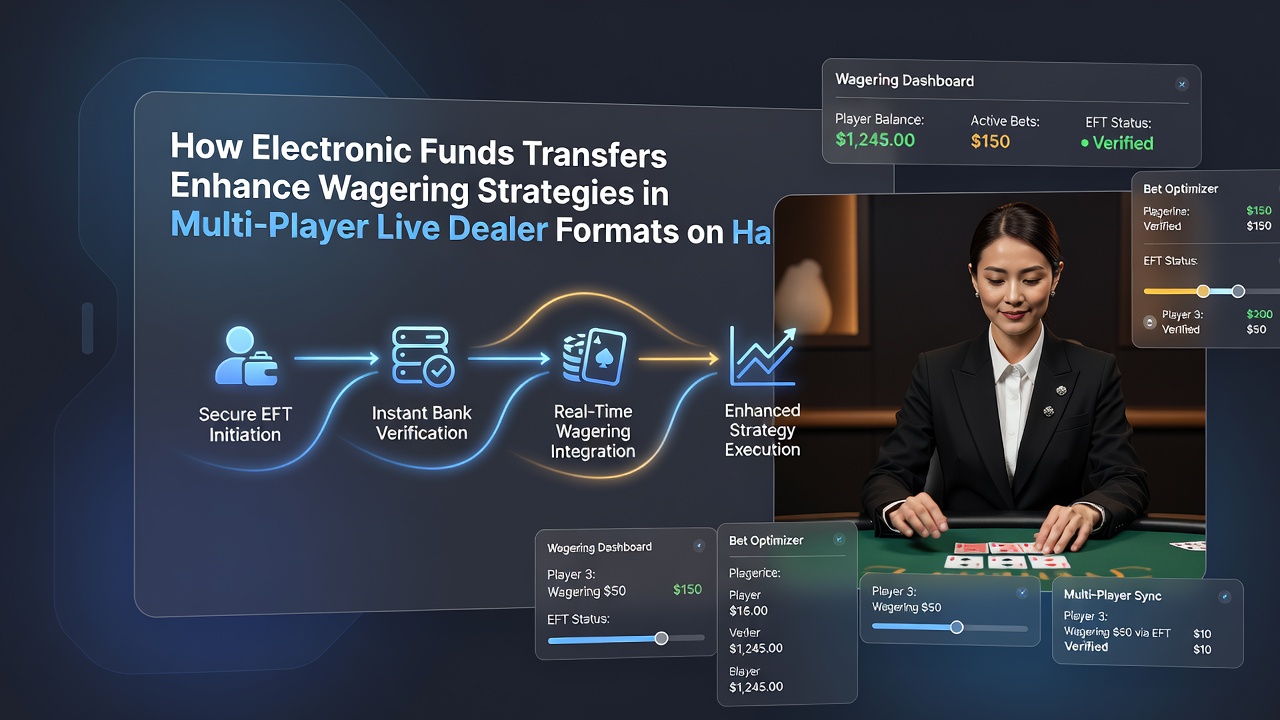
Handheld devices add another layer through push notifications that alert users when transfers complete, and this feature helps maintain focus on dealer interactions rather than account management. Figures from the Australian Transaction Reports and Analysis Centre reveal that adoption rates for these mobile-native systems rose sharply through mid-2026, particularly among users who rotate between several live tables in a single evening. Those who've examined session data observe that the reduced friction supports longer engagement periods while keeping individual wager amounts aligned with pre-set limits.
Multi-Player Dynamics and Shared Resources
Live dealer rooms on mobile platforms often pool resources across participants for bonus rounds or community jackpots, and electronic transfers facilitate contributions without lag because funds move in small increments at high frequency. The North American Association of State and Provincial Lotteries has documented similar payment flows in regulated environments, noting that instant methods cut error rates in pooled transactions by nearly half. Players coordinate strategies around these shared elements more effectively when balance updates appear instantly on screen, reducing miscommunications that arise from delayed processing.
Security protocols embedded in transfer systems include tokenization and device-specific verification, which maintain integrity across public networks used by handheld devices. Reports compiled by the International Game Developers Association highlight that operators implementing these features in August 2026 reported fewer disputes over wager timing in multi-player formats, since timestamps from transfers align precisely with game server logs. This alignment proves especially useful in formats where late entries affect payout distributions among active seats.
Device Optimization and User Patterns
Handheld hardware benefits from lightweight transfer protocols that consume minimal data, allowing sustained connections during extended live sessions without draining resources. Analytics provided by mobile network operators in Canada show average session lengths increasing by 18 percent when users access instant funding tools natively rather than through external apps. Patterns indicate that evening users in different time zones leverage these capabilities to join overlapping tables, adjusting stakes based on real-time visibility into available funds.
Compatibility across operating systems ensures consistent performance whether participants use iOS or Android devices, and developers have standardized API calls for the most common transfer providers. Evidence gathered by academic teams at the University of Sydney Business School points to improved retention metrics in markets where such standardization occurred early in 2026, particularly for games requiring coordinated actions among four to eight simultaneous players.
Conclusion
Electronic funds transfers continue to integrate with multi-player live dealer formats on handheld devices through direct connections that support rapid balance updates and coordinated table activity. Data from multiple regions demonstrates measurable impacts on session continuity and strategic flexibility, while regulatory and research bodies track adoption trends that shape future implementations. These systems operate within established security frameworks, maintaining alignment between player actions and game outcomes across shared environments.