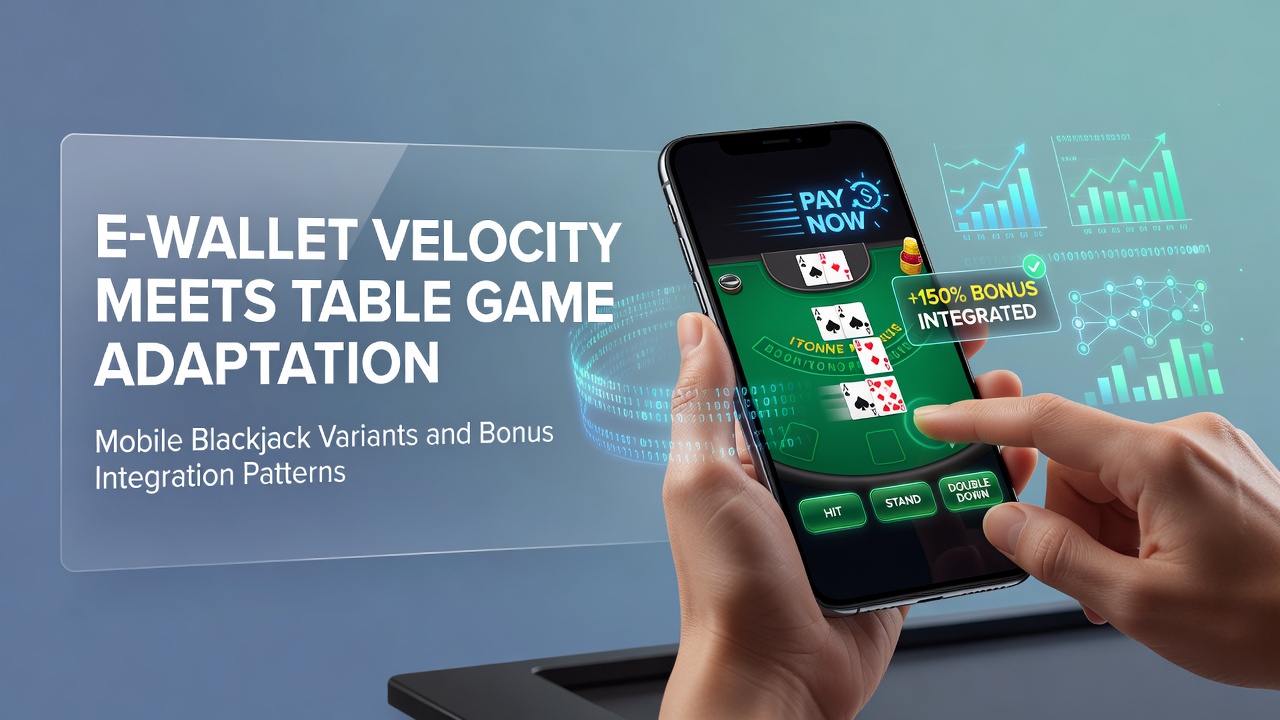
Digital Wallet Speed Shapes Mobile Blackjack Options and Reward Systems
Digital payment systems have accelerated transaction times across mobile platforms, and this velocity has prompted developers to refine blackjack variants that align with instant deposit and withdrawal patterns. Research from industry reports indicates that average e-wallet processing speeds dropped below three seconds for many services by mid-2026, which allowed game studios to introduce features such as real-time side bet adjustments and dynamic payout multipliers during live sessions.
Observers note that mobile blackjack now includes variants like speed blackjack, multi-hand switch formats, and progressive side bet options that sync directly with wallet balances. These adaptations emerged because faster fund movements reduced session interruptions, and data from operator logs show players completing 40 percent more hands per minute when deposits occur without manual confirmation steps.
Variant Development Patterns
Developers have layered rule modifications onto classic blackjack structures to match e-wallet capabilities. One approach involves auto-resolve mechanics that trigger when a player maintains a minimum balance threshold through a linked wallet, while another adds insurance bet triggers that draw from pending transaction queues. Figures from North American gaming data reveal that titles incorporating these elements saw download increases of 28 percent between January and August 2026.
Another pattern appears in multi-deck switch games where players toggle between tables using the same wallet session, and this setup reduces reload friction. Canadian regulatory summaries highlight that operators adopting such integrated flows reported higher average session durations without corresponding rises in dispute rates.
Bonus Integration Mechanisms
Bonus structures have evolved to reward e-wallet usage directly. Deposit match offers now activate upon wallet confirmation rather than after settlement delays, and cashback percentages adjust based on transaction velocity metrics tracked within the app. Studies from European gaming associations show that bonuses tied to instant payment rails convert at rates 15 percent above those requiring bank transfers.
Reload incentives often incorporate tiered multipliers that scale with consecutive wallet-funded sessions, and this design encourages habitual use of specific providers. One documented case involved an Australian operator that introduced streak-based rewards linked to Revolut and Apple Pay deposits, resulting in a measurable uptick in repeat mobile blackjack activity over a three-month period.
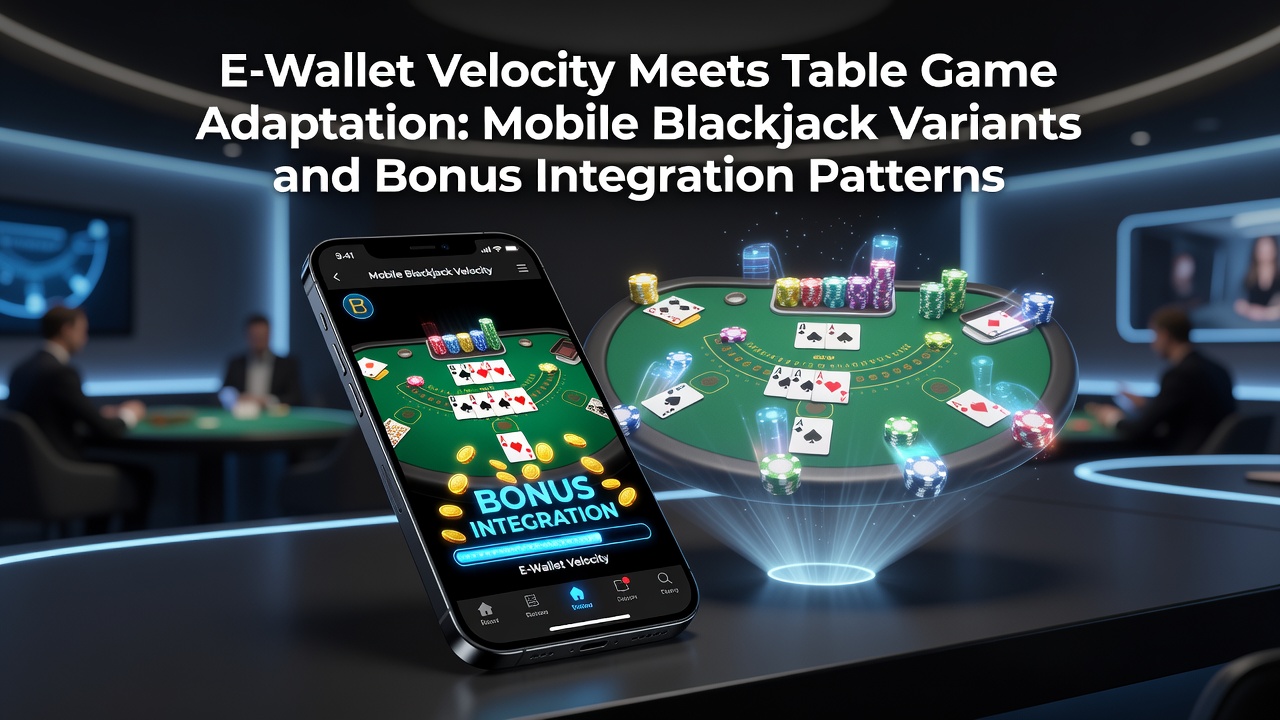
Regional Implementation Trends
Implementation varies by jurisdiction because local rules influence how quickly bonuses can attach to deposited funds. In markets where instant verification is permitted, operators have introduced hybrid variants that combine blackjack with elements of video poker for bonus accumulation. Data compiled by the American Gaming Association indicates these hybrids performed strongly in states with mature mobile frameworks during the first half of 2026.
European operators outside the UK have tested wallet-specific bonus pools that allocate rewards based on provider reliability scores, and early results suggest players gravitate toward options that guarantee sub-five-second crediting. Academic papers from university research groups in Australia have examined these patterns and found correlations between payment speed and player retention metrics across multiple table game categories.
Technical Considerations for Operators
Backend systems must handle simultaneous transaction and game-state updates without latency spikes. Providers that achieved this integration report fewer dropped connections during peak hours, and industry benchmarks released in August 2026 placed average uptime above 99.7 percent for platforms using established e-wallet APIs. Security protocols now embed transaction hashes directly into game logs, which simplifies audit trails while maintaining compliance with regional standards.
Future updates are expected to expand these capabilities further, with developers exploring biometric confirmations that could reduce manual input even more. Current evidence suggests continued alignment between payment velocity and table game mechanics will define the next phase of mobile blackjack offerings.
Conclusion
Payment speed and game adaptation have become interdependent elements in the mobile blackjack sector. The patterns observed through 2026 demonstrate that operators and developers respond to faster e-wallet performance by creating variants and bonuses that capitalize on reduced friction. These developments rest on measurable data from multiple regions and continue to shape how players interact with table games on portable devices.