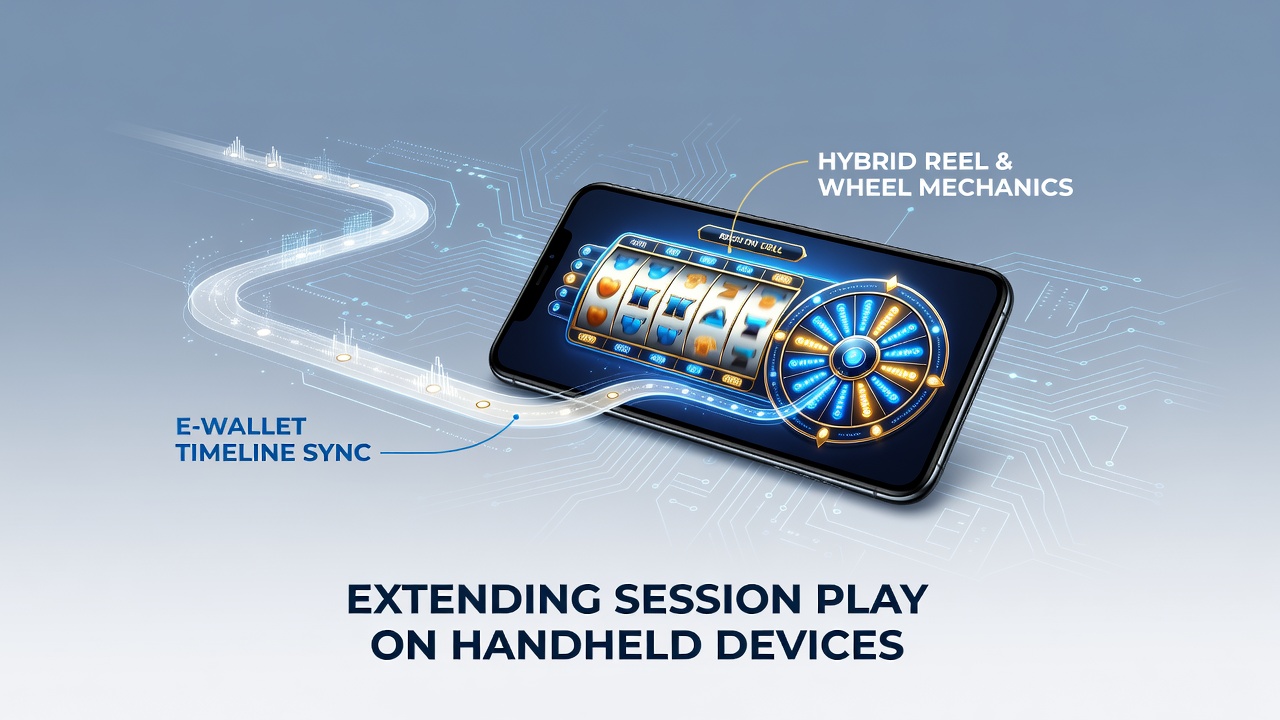
Digital Wallet Synchronization with Hybrid Reel-Wheel Systems on Handheld Platforms
Electronic wallet processing cycles align with hybrid reel and wheel mechanics through timed transaction confirmations that match the pacing of combined slot spins and roulette-style wheel outcomes on portable devices, and data from industry reports indicate this coordination extends average user engagement periods by coordinating deposit approvals with in-game progression triggers.
Mechanics of Hybrid Reel-Wheel Integration
Hybrid systems merge reel-based symbol matching with wheel rotation sequences, where each spin initiates a secondary wheel event that resolves bonus multipliers or free rounds, and researchers at the Gaming Standards Association note these layered outcomes require precise timing to prevent session interruptions when players initiate additional wagers.
Transaction ledgers from e-wallet providers record approval windows ranging from 2 to 8 seconds on average, which developers synchronize with the animation cycles of hybrid games so that confirmed funds appear exactly as the wheel segment lands on a qualifying result, and this matching reduces loading delays that previously prompted users to exit applications.
Timing Protocols Across Devices
Operating systems on handheld units manage background processes that handle payment verifications while rendering graphics, yet synchronization depends on API calls that poll wallet servers at intervals calibrated to game event durations, and studies from the University of Nevada Reno Gaming Research Center show optimized polling reduces latency spikes by up to 35 percent during peak evening hours.
Developers adjust reel stop times and wheel deceleration rates to overlap with expected settlement notifications, allowing continuous play without manual refreshes, while payment networks such as those tracked by the Canadian Gaming Association report higher completion rates when these overlaps occur within a 1.5-second tolerance window.
Session Extension Through Coordinated Flows
Extended play emerges when e-wallet top-ups trigger automatically at threshold balances, matching the moment a hybrid feature awards additional spins or wheel entries, and analysts observe that players maintain active sessions longer under these conditions because the game state persists without interruption for manual funding steps.
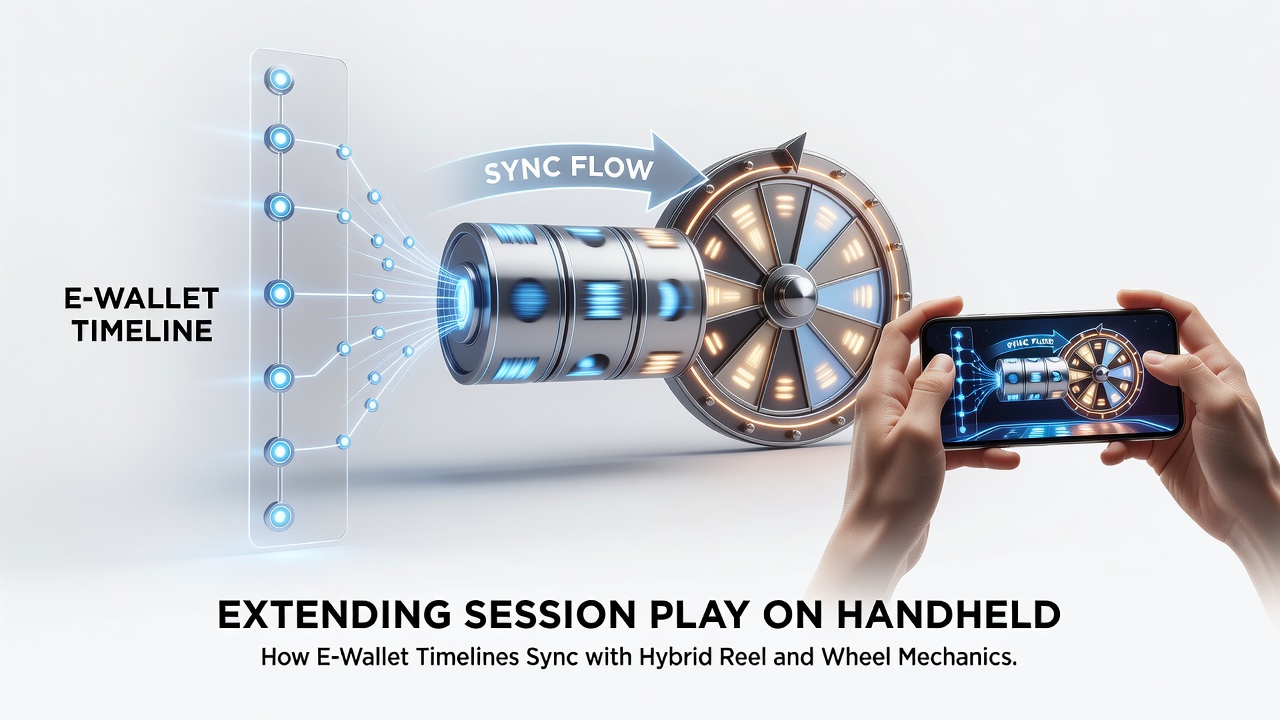
Balance displays update in real time once confirmations arrive, feeding directly into bet selectors that remain available throughout the sequence, and this seamless flow supports longer streaks of consecutive hybrid rounds on devices with stable connections.
September 2026 updates to mobile operating frameworks introduced improved background sync permissions that further tightened these alignments, allowing applications to maintain wallet status checks even when the screen dims between rounds, according to technical documentation released by device manufacturers.
Regional Regulatory Contexts and Data Patterns
Authorities in multiple jurisdictions track session metrics through anonymized operator reports, with the Australian Communications and Media Authority publishing aggregate figures that link payment integration speed to average play duration on portable hardware, and similar compilations from the European Gaming and Betting Association highlight consistent patterns across markets where hybrid titles dominate download charts.
Academic papers from the International Centre for Gaming Research at the University of Malta examine how transaction latency influences retention curves, revealing that delays exceeding four seconds correlate with earlier exits in reel-wheel hybrid formats compared to standalone reel games.
Payment processors adjust their internal queues to prioritize gaming-related requests during identified high-activity windows, which coincide with evening commute periods in urban data sets, and this prioritization supports the extended timelines observed in usage statistics.
Conclusion
Coordination between e-wallet confirmation timelines and hybrid reel-wheel event cycles produces measurable extensions in handheld session lengths through reduced friction at funding points, and ongoing refinements in API response handling continue to shape these interactions as device capabilities advance.