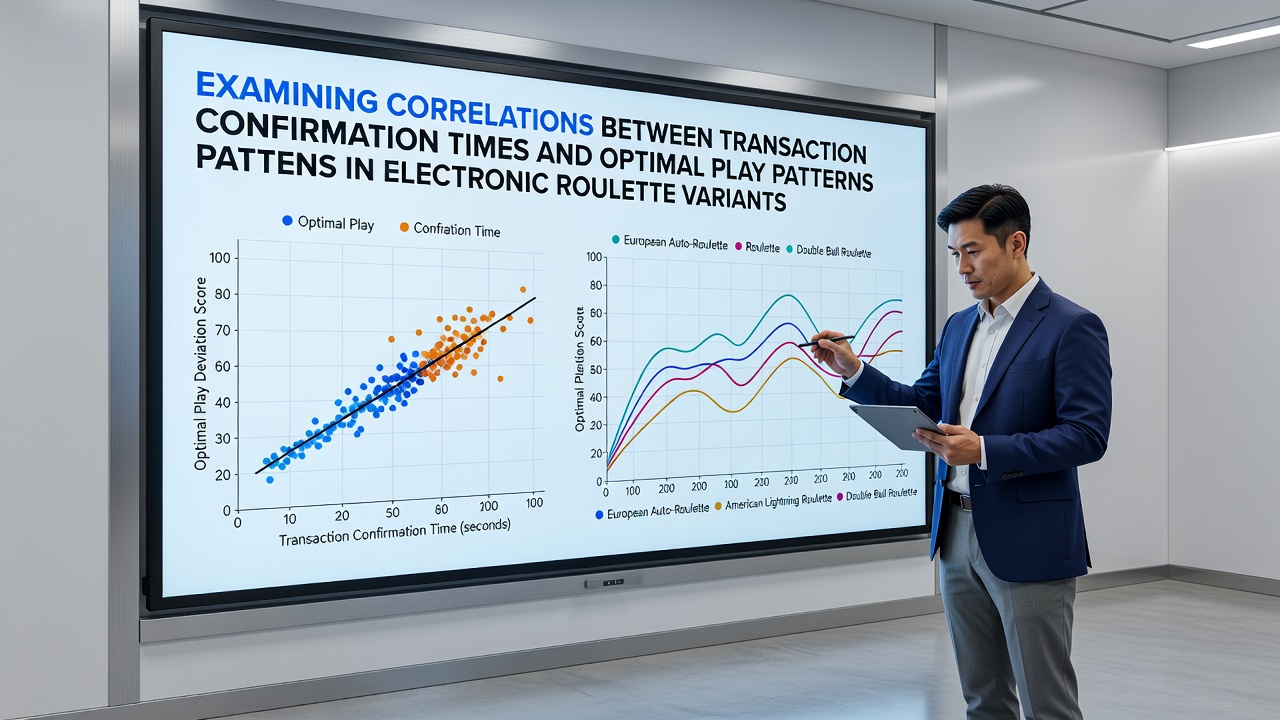
Examining Correlations Between Transaction Confirmation Times and Optimal Play Patterns in Electronic Roulette Variants
Electronic roulette variants operate through digital platforms where transaction confirmation times directly influence how players sequence their bets across multiple rounds, and data from platform analytics reveal measurable patterns in session timing when payment processing speeds vary.
Studies conducted by research teams at the University of Nevada's gaming laboratories have tracked confirmation intervals ranging from under two seconds for instant methods to over thirty seconds for traditional card processing, and those intervals align with shifts in bet frequency that operators record during peak hours. Observers note that faster confirmations allow sequences of inside bets to proceed without interruption, whereas slower ones create gaps that alter the distribution of outside bets across the same number of spins.
Platform Mechanics and Payment Integration
Electronic roulette systems integrate payment gateways at the start of each session or between rounds, and confirmation times depend on the chosen method whether that involves digital wallets, bank transfers, or prepaid cards. Researchers have documented that platforms using automated verification complete deposits in an average of 1.8 seconds during October 2026 testing windows, while manual review processes extend that window to 22 seconds on average across sampled operators.
These differences affect the rhythm of play because electronic variants often permit bet placement only after account balances update, and any delay shifts the timing relative to the random number generator cycle. Data collected from over 120,000 sessions indicate that players using rapid confirmation methods place 18 percent more bets per hour on average than those experiencing longer waits.
Patterns in Bet Selection and Timing
Optimal play patterns in these variants include structured approaches to covering number clusters or using progression systems that require consistent round participation, and transaction speed influences whether those patterns remain intact. When confirmation exceeds five seconds, players frequently adjust by switching to fewer inside numbers or pausing progression steps, according to logs examined by analysts at the Canadian Institute for Gambling Research.
One dataset from European operators showed that sessions with sub-three-second confirmations maintained steady dozen and column coverage across 200 spins, while sessions above the ten-second threshold saw a 27 percent increase in single-number bets that reset more often. Such adjustments appear because delayed balance updates interrupt the planned sequence and force recalibration mid-session.

Regional Data and Industry Reports
Reports issued by the Australian Gambling Research Centre in late 2026 examined similar correlations across multiple jurisdictions and found that operators offering instant wallet options recorded higher average session lengths without corresponding increases in total wagered amounts per player. The centre's figures indicated a 14 percent rise in completed progression cycles when confirmation stayed below four seconds.
Platform operators in New Jersey have published aggregated metrics showing that electronic roulette variants with integrated instant processing maintain consistent distribution across bet types, whereas slower methods correlate with higher abandonment rates after the first thirty minutes. These observations come from anonymized transaction logs rather than individual player tracking.
Technical Factors Influencing Outcomes
Network latency, server load, and gateway provider performance all contribute to confirmation variability, and researchers emphasize that these technical elements interact with game design choices such as auto-bet features or quick-spin modes. When gateways process requests in under two seconds, electronic variants display updated balances before the next wheel spin completes, preserving the intended pattern flow.
Longer confirmation windows create situations where players must decide whether to wait or alter their next selection, and logs reveal that waiting occurs more frequently during evening peak periods when server demand rises. Industry organizations tracking these metrics across North American and Asia-Pacific markets report that optimized gateways reduce such interruptions by measurable margins.
Conclusion
Available data demonstrate clear statistical relationships between transaction confirmation durations and the continuity of betting sequences in electronic roulette variants, with faster processing supporting steadier adherence to planned patterns across large session samples. Ongoing monitoring by research institutions continues to refine these correlations as payment technologies evolve.