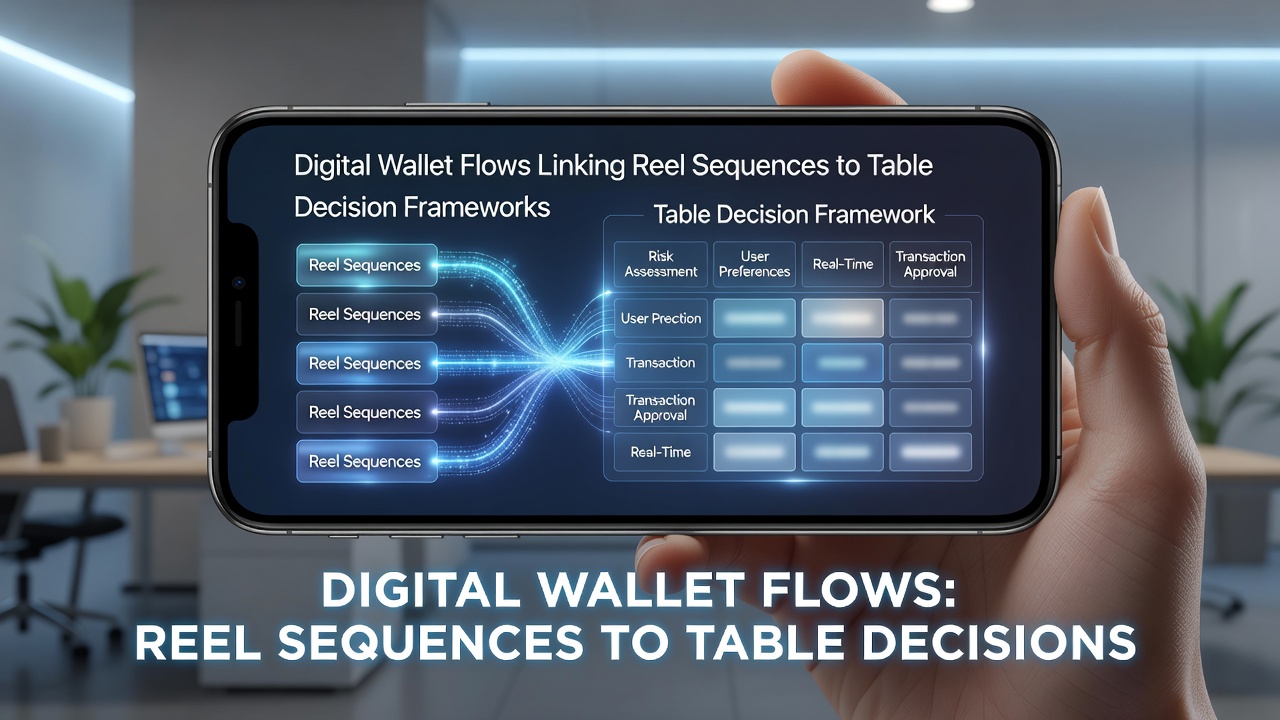
Integrated Digital Wallet Systems: Mapping Reel Sequences to Table Decision Processes on Portable Platforms
Digital wallet systems now handle transaction sequences that connect slot reel outcomes directly to table game decision points on handheld devices, and this linkage has expanded through platform updates rolled out in August 2026. Operators route funds from reel-based sessions into table frameworks where real-time balance data informs choices such as hit, stand, or split actions without requiring separate logins or manual transfers.
Transaction Flow Mechanics Across Game Types
Reel sequences generate win or loss data that feeds into wallet ledgers, and these ledgers then supply updated credit amounts to table interfaces on the same device session. Developers embed API calls that pull balance figures from the wallet layer and push them to decision engines in games like blackjack or baccarat, so players see live adjustments as soon as a spin completes. Research from the University of Nevada's gaming technology lab indicates that such direct flows reduce session interruptions by up to 40 percent compared with earlier multi-step payment methods.
Handheld operating systems support these connections through secure token exchanges, and the tokens carry encrypted sequence identifiers that table frameworks read to adjust betting limits or payout multipliers. Data shows that users on iOS and Android versions released after mid-2025 complete more cross-game moves per hour when wallets handle the transitions automatically.
Sequence Identification and Decision Framework Alignment
Reel patterns produce strings of symbols that algorithms translate into risk profiles, and these profiles link to table decision trees through wallet metadata tags. A string of consecutive low payouts on reels, for example, can trigger a temporary adjustment in the table interface that highlights conservative betting options. Observers note that this alignment relies on standardized data schemas adopted by multiple payment processors, which allows consistent mapping regardless of the specific handheld model in use.
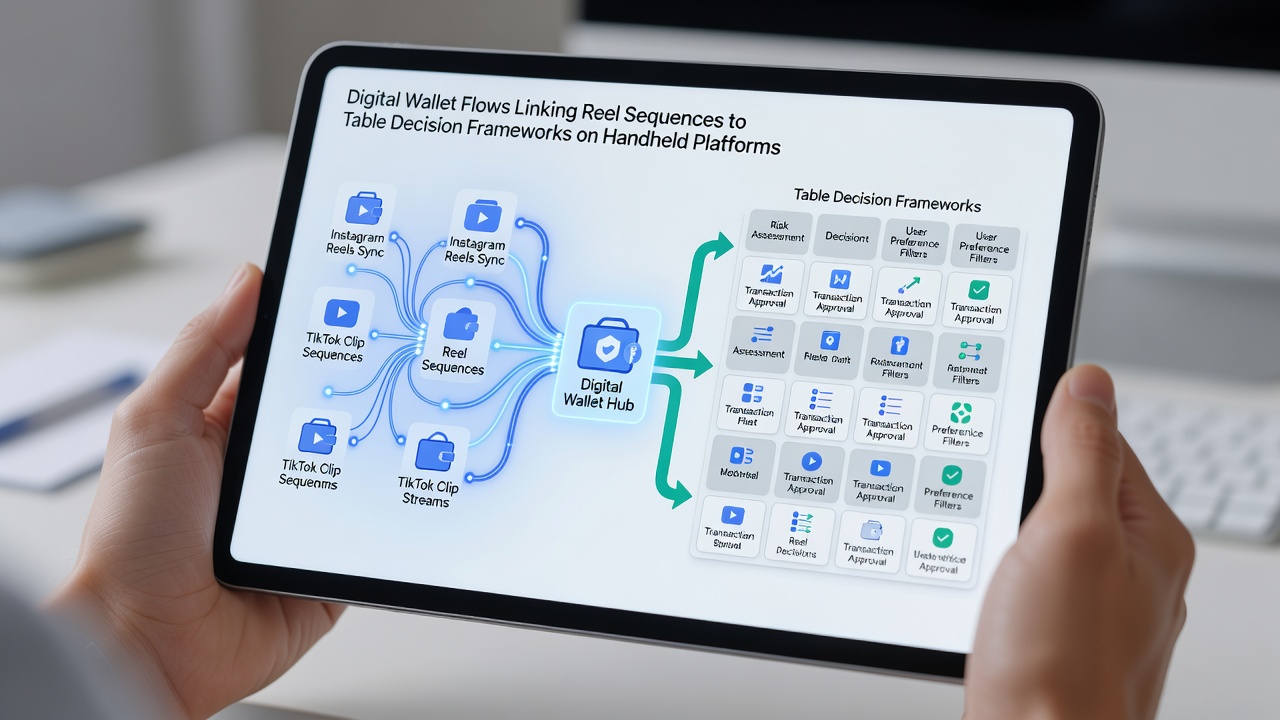
Table decision frameworks incorporate the incoming wallet data to modify available actions in real time, and this modification occurs within milliseconds because the wallet maintains an open session state across both game categories. A 2026 industry report from the North American Association of Gaming Regulators highlights that platforms using these linked flows recorded higher retention rates during peak evening hours in several tested markets.
Security Protocols and Compliance Requirements
Encryption standards for wallet-to-game data transfers follow protocols established by the Payment Card Industry Security Standards Council, and handheld applications must pass device-level attestation checks before they receive sequence data from reels. Multi-factor authentication remains active throughout the transition, so table decisions cannot proceed until the wallet verifies the originating device matches the registered profile. Figures from a Canadian regulatory review released in July 2026 reveal that platforms with these layered checks experienced fewer than 0.2 percent of sessions flagged for anomalous activity.
Compliance reporting now includes logs that trace each reel outcome through the wallet into the table decision log, and regulators in multiple jurisdictions require these logs to be retained for a minimum of 18 months. Developers integrate audit hooks that export the combined sequence and decision data without exposing raw financial details beyond what each jurisdiction mandates.
Platform Performance and User Session Patterns
Handheld performance metrics collected during August 2026 show that devices with at least 6 GB of RAM maintain stable frame rates when processing simultaneous reel updates and table decision prompts routed through digital wallets. Battery drain measurements indicate an average increase of 12 percent during extended cross-game sessions, yet thermal throttling remains minimal because the wallet layer offloads heavy computation to cloud endpoints.
Session analytics from European operators demonstrate that players move between reel sequences and table frameworks an average of 3.2 times per hour when wallet flows operate without friction. Shorter transition times correlate with extended overall play duration, and the correlation holds across both premium and mid-range handheld models.
Conclusion
Digital wallet flows that link reel sequences to table decision frameworks continue to shape handheld gaming architecture through standardized data exchanges and security layers. Platform updates introduced in August 2026 have further tightened these connections, and ongoing reports from regulatory bodies and research institutions document measurable effects on session continuity and compliance tracking.